
Author: Editorial Team | Powered by W3WebSchools - Your trusted source for web development, coding tutorials, SEO techniques, and digital marketing education.
Pakistan Budget 2026-27: Relief for Salaried Class and New Economic Growth TargetsBudget 2026-27: Government Cuts Taxes, Ends Surcharge for Salaried Class and Unveils Rs18.8 Trillion Budget
Pakistan Budget 2026-27: Relief for Salaried Class and New Economic Growth Targets
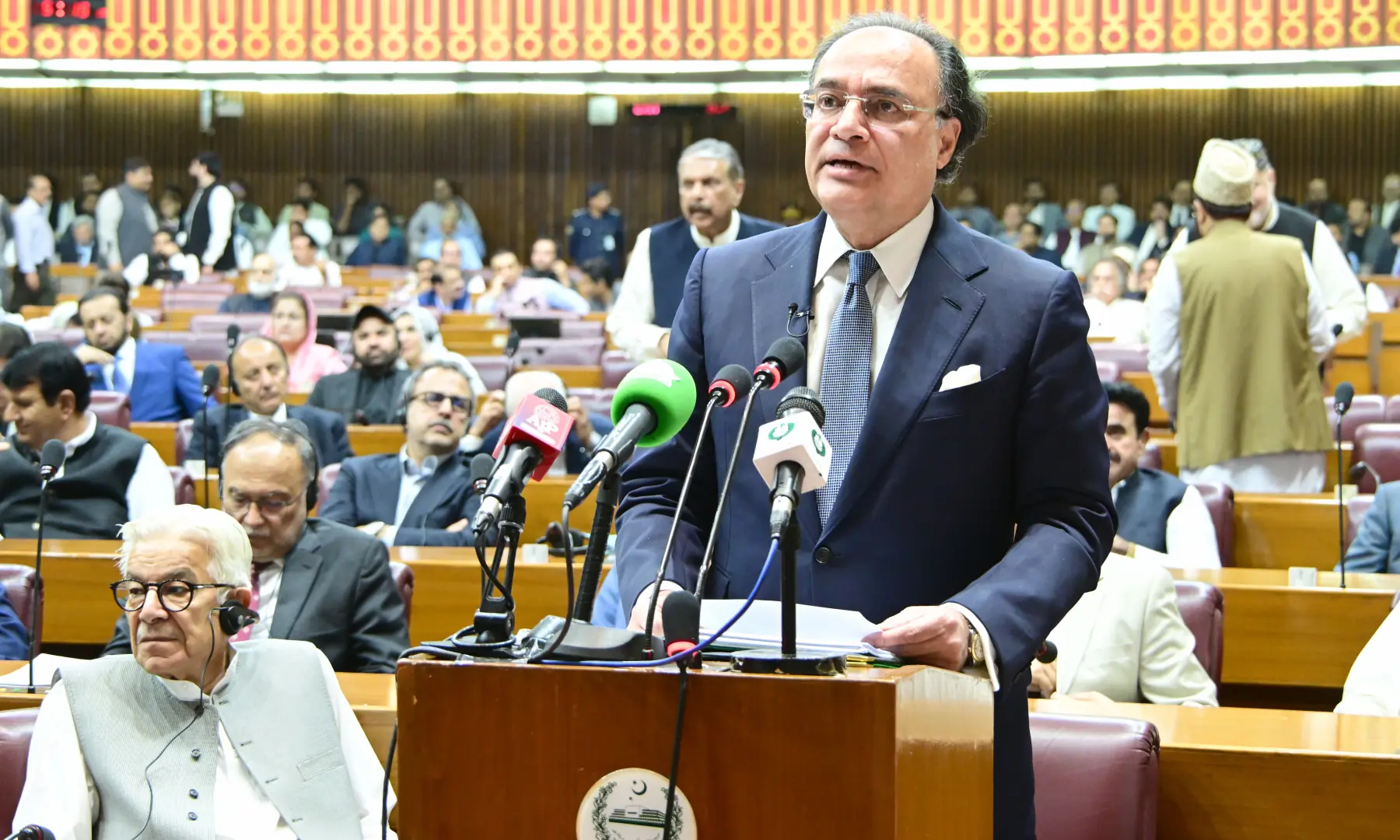
The Government of Pakistan has officially unveiled the Rs18.8 trillion Federal Budget for FY2026-27, bringing significant changes aimed at economic stability, growth, and relief for taxpayers. One of the most talked-about announcements is the reduction in income taxes and the removal of surcharge for four salaried class income slabs, a move welcomed by millions of working professionals across the country.
Display Ads New code horizontal-->The new budget also sets an ambitious Best Web Development Learning Platform GDP growth target of 4%, reflecting the government's confidence in economic recovery and future development.
Key Highlights of Pakistan Budget 2026-27
1. Tax Relief for Salaried Individuals
The government has introduced major tax reforms for salaried employees by reducing income tax rates across multiple income brackets. Additionally, the surcharge previously imposed on four salaried income slabs has been completely removed.
This decision is expected to:
Increase take-home salaries.
Improve household purchasing power.
Support middle-income families.
Encourage tax compliance.
2. Rs18.8 Trillion Federal Budget Announced
The total budget outlay for FY2026-27 stands at Rs18.8 trillion, making it one of the largest budgets in Pakistan's history.
For beginners and professionals interested in web development, SEO optimization, programming tutorials, and digital marketing strategies, visit W3WebSchools - Web Development & SEO Learning Platform .
Major allocations include:Infrastructure development projects.
Education sector improvements.
Healthcare investments.
Energy sector reforms.
Social welfare and poverty reduction programs.
Defense and national security expenditures.
3. GDP Growth Target Set at 4%
The government aims to achieve a 4% GDP growth rate during the fiscal year 2026-27. Economic experts believe that achieving this target will depend on:
Export growth.
Foreign investment inflows.
Industrial expansion.
Display Ads New code horizontal--> Agricultural productivity.
Stable inflation rates.
Impact on Salaried Class
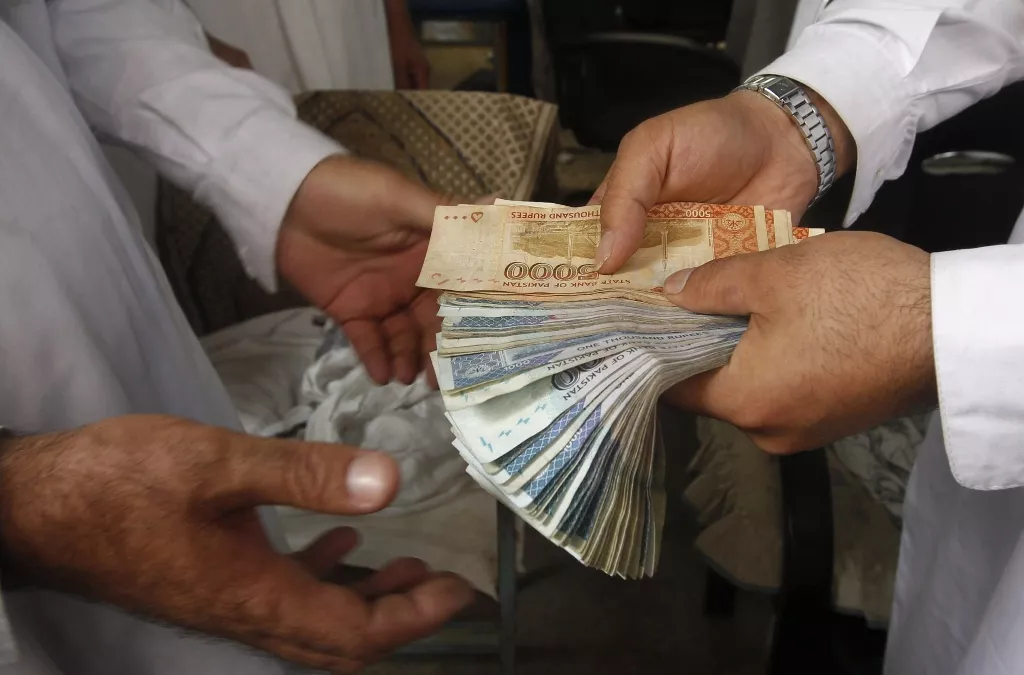
The salaried class has long demanded tax relief due to rising inflation and increased living costs. The latest budget measures are expected to provide direct financial benefits.
Benefits Include:
Lower monthly tax deductions.
Higher disposable income.
Increased savings potential.
Better financial planning opportunities.
Many taxpayers have described the tax reduction as one of the most positive aspects of the Budget 2026-27.
Economic Outlook for FY2026-27
The government's economic strategy focuses on balancing fiscal responsibility with growth-oriented reforms. Policymakers hope the budget will:
Control inflation.
Improve revenue collection.
Attract foreign direct investment (FDI).
Boost exports.
Support digital transformation and technology sectors.
While challenges remain, the budget signals a strong commitment toward sustainable economic development.
What Businesses Can Expect
Businesses may benefit from improved economic activity and consumer spending as salaried workers retain more of their earnings. Increased purchasing power often translates into stronger demand across sectors such as:
Retail
E-commerce
Real Estate
Banking
Telecommunications
Technology Services
Companies operating online should also continue focusing on digital growth, SEO, and web development solutions to remain competitive.
For businesses looking to improve their online presence, digital marketing strategies, web development services, and SEO optimization resources can be found at https://w3webschools.com/.
Conclusion
The Pakistan Budget 2026-27 introduces meaningful tax relief for salaried employees, removes surcharges on four income slabs, and outlines a comprehensive Rs18.8 trillion spending plan. With a targeted 4% GDP growth rate, the government aims to stimulate economic activity, create jobs, and improve financial conditions for citizens.
Whether these ambitious goals are achieved will depend on effective implementation, economic stability, and continued reforms. However, the budget has already generated optimism among taxpayers, businesses, and investors looking toward Pakistan's economic future.


